Understanding Two Major Cultural Celebrations
When exploring the rich tapestry of global festivals, Chinese New Year and Hari Raya Puasa stand out as two of the most significant celebrations. These festivals represent not just calendar dates, but deep cultural traditions that bring communities together in meaningful ways. Each celebration carries unique customs, symbolism, and significance that reflect the values and history of their respective communities.
Chinese New Year: The Festival of Renewal
Chinese New Year, also known as Spring Festival, represents the beginning of a new year in the traditional Chinese calendar. This celebration typically falls between late January and mid-February, depending on the lunar cycle. The festival serves as a time for families to reunite, honor ancestors, and welcome prosperity for the coming year.
The traditions surrounding Chinese New Year are rich and varied. Families engage in elaborate cleaning rituals to sweep away bad luck and make room for good fortune. Decorations featuring red banners, couplets, and paper cuttings are common throughout homes. The color red holds special significance as a symbol of luck and happiness.
Gathering for a reunion dinner on New Year's Eve is perhaps the most important tradition. This meal typically includes symbolic foods representing wealth, longevity, and good fortune. Children receive red envelopes containing money from elders, a gesture that symbolizes the transfer of good wishes and blessings.
Hari Raya Puasa: Celebrating the End of Ramadan
Hari Raya Puasa, commonly referred to as Eid al-Fitr in international contexts, marks the conclusion of Ramadan, the Islamic month of fasting. This celebration occurs on the first day following the sighting of the new moon after a month of spiritual reflection and self-discipline.
The festival holds deep religious significance for Muslims worldwide. After a month of fasting from dawn to sunset, Muslims express gratitude to Allah for the strength and discipline developed throughout Ramadan. The celebration emphasizes themes of forgiveness, charity, and community unity.
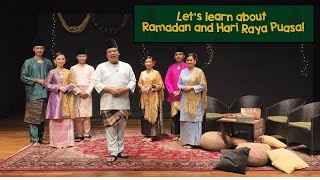
Traditional observances include special prayers conducted in large groups, often at mosques or open spaces. Families dress in their finest clothing, with traditional garments like the baju kurung or baju Melayu being particularly common in Southeast Asian Muslim communities. The preparation of special dishes and the giving of gifts, especially to children and those less fortunate, are integral parts of the celebration.
Shared Elements Between the Celebrations
Despite their distinct origins and religious foundations, Chinese New Year and Hari Raya Puasa share several common elements that reflect universal human values. Both festivals emphasize the importance of family gatherings and community bonding. The act of coming together with loved ones transcends cultural and religious boundaries, creating moments of connection and shared joy.
Another shared aspect is the emphasis on giving and generosity. During Chinese New Year, red envelopes symbolize the transfer of blessings and good wishes. Similarly, Hari Raya Puasa encourages the distribution of gifts and charitable giving to those in need. These practices reinforce the value of caring for others within the community.
Both celebrations also feature vibrant decorations and traditional foods that serve as cultural markers. The visual and sensory experiences create an atmosphere of festivity and anticipation that characterizes meaningful cultural observances.
Modern Adaptations and Global Influence
In our increasingly interconnected world, both Chinese New Year and Hari Raya Puasa have evolved beyond their traditional boundaries. Cities with significant Chinese populations have embraced the celebration through public festivals, parades, and cultural events that welcome participation from all community members.
Similarly, the global Muslim population has brought the spirit of Hari Raya Puasa to diverse settings around the world. From shopping sales and special community iftars to interfaith celebrations, these festivals continue to adapt while maintaining their core meanings and significance.
The influence of these celebrations extends into popular culture, media, and commerce. Festive seasons become times of heightened cultural expression, where traditions blend with modern practices to create new forms of celebration that honor the past while embracing contemporary realities.