California Water Crisis Causes
California, known for its vibrant economy and diverse landscapes, is currently grappling with a severe water crisis. This issue is multifaceted, with several interconnected factors contributing to the state's water shortage. Understanding these causes is crucial for developing effective solutions.
Climate Change and Drought
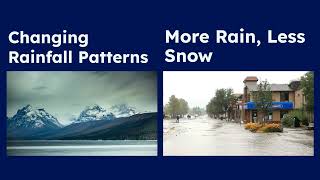
One of the primary drivers of California's water crisis is climate change. The state has experienced prolonged drought conditions, with some years seeing record-low precipitation. This reduced rainfall has led to a significant decline in the state's snowpack, which is a vital source of water. The Sierra Nevada mountains, in particular, have seen a rapid decline in snow accumulation, affecting the state's water supply.
Global warming has also increased the frequency and intensity of wildfires. These fires not only destroy vegetation but also contribute to soil erosion, which further exacerbates water runoff issues. The loss of vegetation means less water is absorbed into the ground, leading to increased runoff and reduced water storage.
Over-Pumping of Groundwater
Another significant factor in California's water crisis is the over-pumping of groundwater. The Central Valley, home to much of the state's agricultural industry, heavily relies on groundwater. However, this resource is being depleted at an alarming rate. The over-extraction of groundwater has led to significant subsidence, or sinking, of the land, particularly in the San Joaquin Valley.
The prolonged drought has exacerbated this issue, as farmers have turned to groundwater to compensate for the lack of surface water. This has led to a cycle of depletion and further reliance on groundwater, creating a dangerous feedback loop.
Aging Infrastructure
California's water infrastructure is also aging, with many systems outdated and in need of significant upgrades. The state's water delivery system, which includes aqueducts, pipelines, and reservoirs, is crumbling. This aging infrastructure is inefficient and prone to leaks, leading to significant water loss.
Additionally, many of California's reservoirs are at or below their historical averages. The lack of water storage capacity means that when droughts occur, the state is unable to store enough water to meet demand during wetter periods.
Population Growth and Water Demand
California's population has been growing steadily, with the state's urban centers experiencing rapid expansion. This population growth has led to increased water demand, particularly for municipal and agricultural use. The state's water resources are stretched thin, making it difficult to meet the needs of a growing population.
Water-intensive industries, such as agriculture and manufacturing, also contribute to the state's water demand. The Central Valley, for example, is home to some of the most productive farmland in the world, but it also consumes a significant amount of water. Balancing the needs of agriculture with those of urban populations is a complex challenge.
Environmental Regulations and Policy
Environmental regulations and policy also play a role in California's water crisis. Strict environmental laws have led to the protection of certain water sources, which can limit their availability for other uses. Additionally, water rights and allocation policies can be complex and outdated, making it difficult to manage water resources effectively.
Efforts to conserve water have also had mixed results. While some conservation measures have been successful, others have been ineffective or poorly implemented. A more coordinated and comprehensive approach to water conservation is needed.
Conclusion
California's water crisis is a complex issue with multiple interconnected causes. Climate change, over-pumping of groundwater, aging infrastructure, population growth, and environmental regulations all contribute to the state's water shortage. Addressing these issues will require a multifaceted approach, involving conservation, infrastructure upgrades, policy reforms, and international cooperation.
Understanding the causes of California's water crisis is the first step in developing effective solutions. By addressing these issues, the state can work towards a more sustainable and resilient water future.