The Moskva: Russia's Lost Flagship of the Black Sea Fleet
For decades, the guided missile cruiser Moskva stood as the symbolic and operational centerpiece of Russia's Black Sea Fleet. As the flagship of the fleet, the vessel carried the distinctive markings of a flag officer's command and served as a powerful symbol of Moscow's naval reach into the Mediterranean and beyond. Its sinking in April 2022 marked a dramatic turning point in the conflict in Ukraine and exposed vulnerabilities in Russian naval capabilities that had long been taken for granted.
A Ship Built for Power Projection
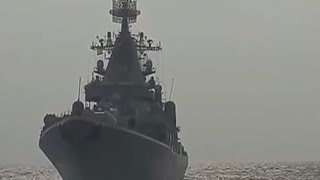
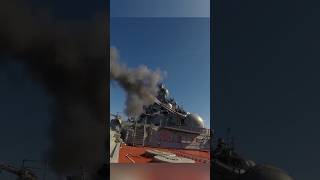
The Moskva, a Slava-class cruiser commissioned in 1983, was the lead ship of her class and the only vessel of that type assigned to the Black Sea Fleet. With a displacement of approximately 11,500 tonnes, she was one of the largest combatants in Russia's southern fleet. The cruiser was equipped with a formidable array of anti-ship and surface-air missiles, making her a key asset for both offensive operations and fleet defense. Her presence was meant to project strength and serve as a floating command center.
For Russian leadership, the Moskva was more than a warship. She was described as the pride of the Black Sea Fleet, a vessel that embodied the legacy of Soviet naval ambition. Her iconic image—flying the fleet commander's pennant and capable of carrying multiple helicopters—made her a recognizable symbol of Russian maritime power.
The Snake Island Incident
The Moskva became globally infamous in the earliest days of Russia's full-scale invasion of Ukraine in February 2022. When Ukrainian defenders on Snake Island refused to surrender and famously told a Russian warship to "go f*** yourself," the exchange was broadcast worldwide. While the identities of the specific vessel involved were never officially confirmed, widespread reporting identified it as the Moskva. The incident provided a potent moment of defiance and set the tone for a conflict that would see the ship ultimately lost.
Sinking and Aftermath
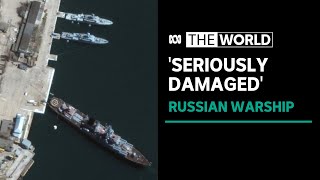
In April 2022, Ukraine announced that it had struck the Moskva with a Neptune anti-ship missile. Russian officials initially acknowledged that the ship had suffered a fire and explosion but blamed the damage on an accident onboard. Ukraine maintained that its forces were responsible. Regardless of the cause, the vessel settled in the waters off the Crimean coast. Reports indicated that the entire crew had to evacuate, a humiliating outcome for a flagship that had served for nearly four decades.
The loss was a significant blow to Russian naval prestige. Analysts noted that the Moskva was not merely a combat asset but a strategic symbol. Her absence left a gap in the Black Sea Fleet's command structure and raised serious questions about the readiness and survivability of Russian surface vessels in modern combat environments. Subsequent assessments suggested that the hull had deteriorated significantly and that salvage operations, if attempted, would face considerable challenges.
Impact on the Black Sea Fleet
With the Moskva lost, the balance of naval power in the region shifted. Ukraine leveraged the incident to bolster confidence and continued to press its advantage at sea. Russian forces responded by recalibrating their deployment, with some vessels moving to less exposed ports. The flagship vacancy forced Moscow to reevaluate how it commanded naval operations in a theater that had proven far more contested than anticipated.
The disappearance of the Moskva remains one of the most widely discussed episodes of the war. It demonstrated that even a seasoned fleet could suffer unexpected losses and that flagship symbolism, while powerful, does not guarantee survival. The vessel's fate serves as a reminder of how quickly naval dominance can change when technology, intelligence, and determination converge.





![The Black Sea Fleet - Russian Navy [02/22/2022]](https://i.ytimg.com/vi/UB_0xAJhDWM/mqdefault.jpg)
