Strategic Deployment Patterns of the Black Sea Fleet
The Russian Black Sea Fleet has emerged as a critical naval force in the ongoing conflict with Ukraine, with deployment strategies reflecting both defensive needs and offensive projections. Operating primarily from its base in Sevastopol, the fleet controls access through the strategic strait connecting the Black Sea to the Sea of Azov.
Operational Bases and Strategic Positioning
The fleet's primary operational area centers on the waters surrounding Crimea, which Russia annexed in 2014. From Sevastopol, the fleet maintains a constant presence in the Black Sea, while also projecting power through the Kerch Strait into the Sea of Azov. This positioning allows Russia to monitor Ukrainian ports and naval movements along the country's southern coast.
Additional bases include the city of Novorossiysk on the northern Caucasus coast, which serves as a major hub for maritime logistics and equipment storage. These locations provide the fleet with multiple launch points for various mission types, from surface combat operations to submarine deployments.
Ship and Submarine Deployments
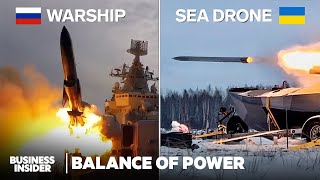
The Black Sea Fleet's order of battle includes a mix of surface combatants, submarines, and support vessels. Cruisers and destroyers form the core of the fleet's strike capability, equipped with long-range missiles designed to target Ukrainian military infrastructure from distances that keep them beyond immediate counter-attack range.
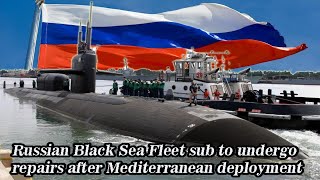
Submarine deployments have become increasingly significant, with quieter platforms operating in the region to challenge Ukrainian maritime operations. These underwater vessels can threaten surface ships, naval installations, and even coastal infrastructure without revealing their precise locations.
Amphibious and Support Operations
Beyond traditional naval warfare, the fleet has deployed landing craft and amphibious assault vessels to support ground operations. These deployments facilitate the movement of troops and equipment across the fluid front lines in eastern Ukraine, particularly in areas where Russian forces seek to maintain supply lines through maritime routes.
Logistics vessels and repair ships operate in conjunction with combat units, ensuring sustained operations despite the challenging conditions of Black Sea winters and potential Ukrainian attacks on supply infrastructure.
Ukrainian Counter-Measures and Responses
Ukrainian military forces have adapted their strategies to counter these deployments through multiple approaches. Naval intelligence efforts focus on tracking fleet movements and identifying potential strike targets. Successful attacks on Russian military infrastructure, including storage facilities and command centers, have disrupted normal fleet operations and forced adjustments to deployment schedules.
The Ukrainian military has reported successful strikes against the headquarters of Russian naval forces, demonstrating vulnerability in fixed installations that support fleet operations. These vulnerabilities extend to ammunition depots and repair facilities that keep the fleet combat-ready.
International Reactions and Regional Implications
Regional allies have responded to these deployments with their own strategic adjustments. Romania has taken decisive action in response to the increased naval activity, strengthening its naval presence in the Black Sea and enhancing cooperation with NATO allies. These measures aim to deter further escalation while protecting vulnerable coastal infrastructure.
The broader implications extend beyond the immediate conflict zone. The Black Sea has historically served as a crucial energy transport corridor, and disruptions to fleet deployments affect global energy markets and trade routes throughout the region.
Challenges in Naval Command and Control
Both Russian and Ukrainian naval leadership face significant challenges in adapting to rapidly changing battlefield conditions. Reports indicate difficulties in coordinating complex operations given the constraints of modern warfare, including limited intelligence about enemy positions and the inability to maintain normal communication channels.
The uncertainty surrounding future deployments reflects broader questions about resource allocation and strategic priorities. As the conflict evolves, both sides must balance immediate tactical needs against long-term sustainability of their naval capabilities in the Black Sea region.
Future Outlook for Fleet Deployments
The trajectory of Black Sea Fleet deployments will likely depend on several key factors: the outcome of ongoing land operations, the effectiveness of international sanctions on Russian naval maintenance capabilities, and the capacity of both sides to project power across the maritime domain.
Continued monitoring of these