Australia Strait Of Hormuz Energy Security Risks
The Strait of Hormuz remains one of the most critical maritime chokepoints in the global economy. For Australia, a nation deeply integrated into global trade and reliant on stable energy markets, volatility in this narrow waterway presents significant strategic and economic risks. While Australia is a major energy exporter in its own right, the interconnected nature of global oil and gas pricing means that instability in the Persian Gulf reverberates far beyond the Middle East.
The Strategic Importance of the Strait
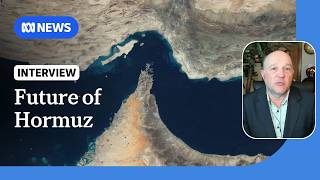
The Strait of Hormuz connects the Persian Gulf with the Gulf of Oman and the Arabian Sea. It is the primary artery for the export of crude oil from several of the world's largest producers. Because a vast percentage of the world's liquefied natural gas (LNG) and petroleum passes through this corridor, any disruption—whether caused by military conflict, diplomatic disputes, or physical blockades—creates an immediate supply shock.
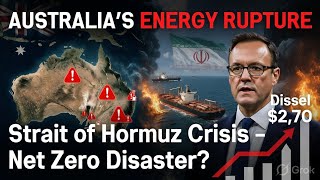
For Australia, the primary risk is not necessarily a direct shortage of physical fuel, but rather the price volatility that accompanies geopolitical tension. Global energy benchmarks are highly sensitive to perceived risks in the Strait. When tensions rise between regional powers or between the West and Middle Eastern states, oil prices typically spike, leading to higher costs for transport, manufacturing, and consumer goods across the Australian economy.
Key Drivers of Instability
Several factors contribute to the ongoing energy security risks associated with the Strait of Hormuz. These include:
- Regional Proxy Conflicts: Tensions involving state actors and Iranian-backed militias often manifest as threats to shipping lanes. Attacks on tankers or the deployment of naval mines can lead to increased insurance premiums for shipping companies, further driving up the cost of imported energy.
- Infrastructure Vulnerability: The risk is not limited to the water itself. Attacks on land-based oil pipelines and processing facilities in the region can force more traffic through the Strait or create sudden deficits in global supply that the market cannot quickly absorb.
- Geopolitical Power Shifts: Shifts in the foreign policy of major global powers, such as the United States, can alter the security architecture of the region. A reduction in naval patrols or a change in diplomatic engagement can leave the waterway more susceptible to unilateral closures or harassment of commercial vessels.
Impact on the Australian Economy
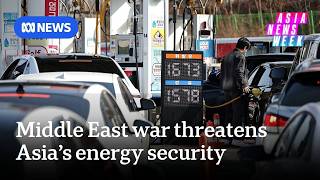
Australia's economic vulnerability to the Strait of Hormuz is primarily felt through imported inflation. Although Australia exports significant quantities of LNG, it still relies on imported refined petroleum products for domestic transport and industry. A surge in global crude prices directly translates to higher prices at the pump and increased operational costs for logistics firms.
Furthermore, because Australia is a trading nation, global economic instability caused by energy shocks can dampen international demand for Australian exports. If energy costs rise sharply enough to trigger a global recession or slow growth in major Asian markets, the Australian mining and agricultural sectors may face reduced profitability.
Mitigation and Resilience Strategies
To manage these energy security risks, Australia employs several strategic levers. Diversification is the most critical of these. By expanding trade partnerships and diversifying the sources of its energy imports, Australia can reduce its reliance on any single geographic chokepoint.
Additionally, the transition toward renewable energy serves as a long-term hedge against geopolitical instability. By increasing the share of domestic electricity generated from wind, solar, and storage, Australia reduces its overall sensitivity to the fluctuations of the global fossil fuel market. However, this transition is a gradual process, and the immediate reliance on liquid fuels means that the Strait of Hormuz will remain a point of strategic concern for the foreseeable future.
Conclusion
The intersection of Australia's economic health and the stability of the Strait of Hormuz highlights the fragility of global supply chains. While Australia is geographically distant from the Persian Gulf, the invisible threads of global pricing and maritime security ensure that any disruption in the Strait is felt domestically. Maintaining a diversified energy portfolio and monitoring regional geopolitical shifts are essential components of Australia's national security and economic resilience.